
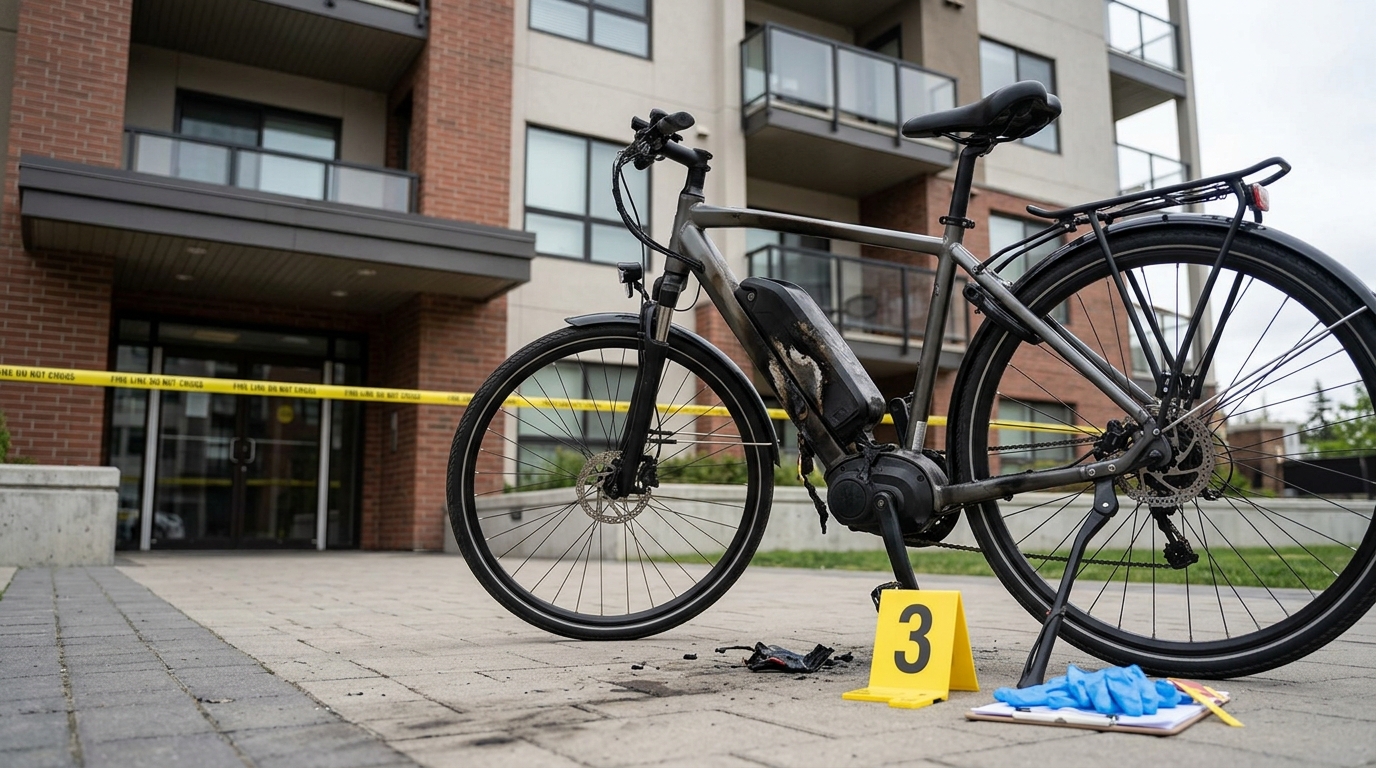
E-bike battery fire claims are becoming a serious personal injury topic in 2026 because more people use electric bikes, scooters, hoverboards, and other micromobility devices for daily transportation. These products are convenient, but the lithium-ion batteries that power them can create major risks when they are defective, damaged, poorly charged, exposed to water, repaired incorrectly, or sold without strong safety controls.
A battery fire is not like a simple traffic crash. It may happen while a device is charging, sitting in storage, parked inside an apartment, or being used on the road. Victims may suffer burns, smoke inhalation, respiratory problems, emotional trauma, property loss, or injuries while trying to escape. For Injury Law Encyclopedia, this topic fits naturally beside technology-related injury articles such as ADAS accident claims and robotaxi accident claims, because all three involve modern products, technical evidence, and responsibility when technology fails.
Why E-Bike Battery Fire Claims Are Trending Now
The rise of e-bikes and e-scooters has created a new kind of injury claim. These cases may involve consumer product safety, fire investigation, premises liability, warranty records, online sellers, repair shops, landlords, and insurance coverage. In many accidents, the injured person does not know whether the problem came from the battery, charger, wiring, aftermarket parts, storage conditions, or the device design itself.
Federal safety warnings have made the issue more visible. The U.S. Consumer Product Safety Commission has warned consumers about certain e-bike products because batteries or wires can ignite, creating a fire hazard. Those warnings show that a battery-related injury may not be treated as a random accident. It may be a product safety issue that requires deeper review.
Lithium-Ion Battery Fires Can Escalate Quickly
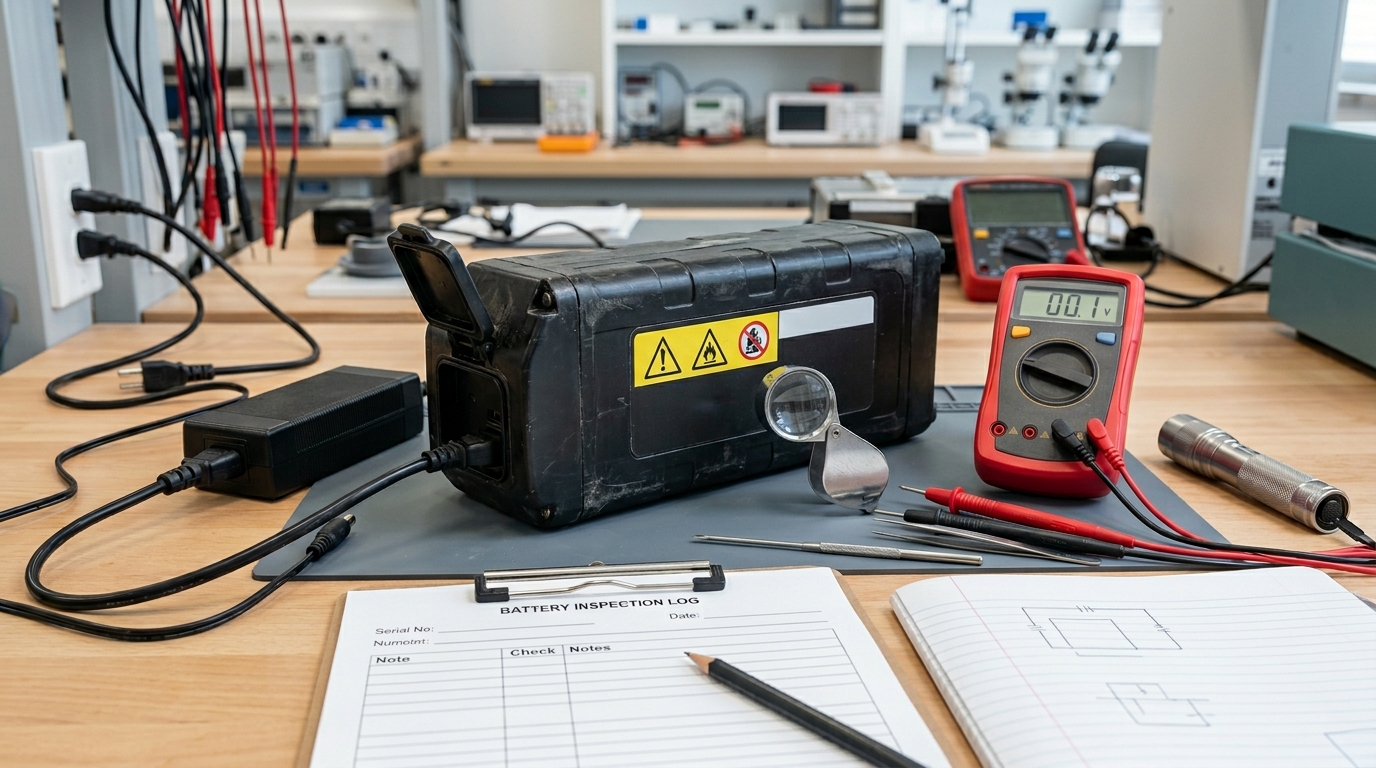
Lithium-ion batteries store a large amount of energy in a small space. When something goes wrong, the battery may overheat and enter a dangerous failure process often called thermal runaway. In plain terms, the battery can become unstable, release heat, produce smoke, ignite, or spread fire to nearby materials. This is especially dangerous in apartments, garages, dorms, delivery storage rooms, bike shops, or hallways where people may have limited time to get out.
The injury pattern can be severe. A person may suffer contact burns from the device, flame burns from nearby furniture, smoke inhalation from toxic fumes, or fall injuries while escaping. In some cases, the fire may damage an entire home even if the battery was small. That is why e-bike battery fire claims often include both personal injury damages and property damage.
Common Warning Signs Before a Battery Fire
Some batteries fail without an obvious warning, but many incidents have warning signs. These may include swelling, hissing, popping, leaking, unusual heat, strange smells, visible corrosion, water damage, charger problems, smoke, sudden power loss, or a battery that no longer locks correctly into the device. If a battery looks damaged or behaves differently, using or charging it can increase the risk.
Why Cheap Chargers and Aftermarket Parts Matter
Charging equipment matters. A charger with the wrong voltage, poor wiring, counterfeit parts, or weak safety controls can create a dangerous condition. Aftermarket batteries may also cause problems if they do not match the original device. In a claim, lawyers may review the charger, instructions, and repair history.
Who May Be Responsible After an E-Bike Battery Fire?
Liability depends on the evidence. A manufacturer may be responsible if the battery, wiring, charger, or device design was defective. An importer or distributor may be involved if unsafe products entered the market. A repair shop may be responsible if it installed the wrong battery, used unsafe wiring, or ignored visible damage.
In some cases, the owner or rider may also be questioned. Insurance companies may ask whether the battery was overcharged, stored near heat, modified, exposed to water, or charged with the wrong equipment. The goal is to identify the actual cause, not simply blame the closest person.
Product Liability vs. Negligence
An e-bike fire case may involve product liability, negligence, or both. Product liability focuses on whether the product was defective in design, manufacturing, or warnings. Negligence focuses on whether a person or company failed to act with reasonable care. For example, a battery may be defectively designed, while a repair shop may also be negligent for installing it incorrectly. A landlord may face separate questions if unsafe storage rules, blocked exits, or ignored fire hazards made injuries worse.
These cases can overlap with standard accident principles. If a fire or malfunction causes a rider to crash into traffic, the claim may connect with broader car accident procedures and compensation. If a delivery worker is injured while using an e-bike for work, workers’ compensation and third-party claims may also need review.
Evidence That Can Make or Break the Claim
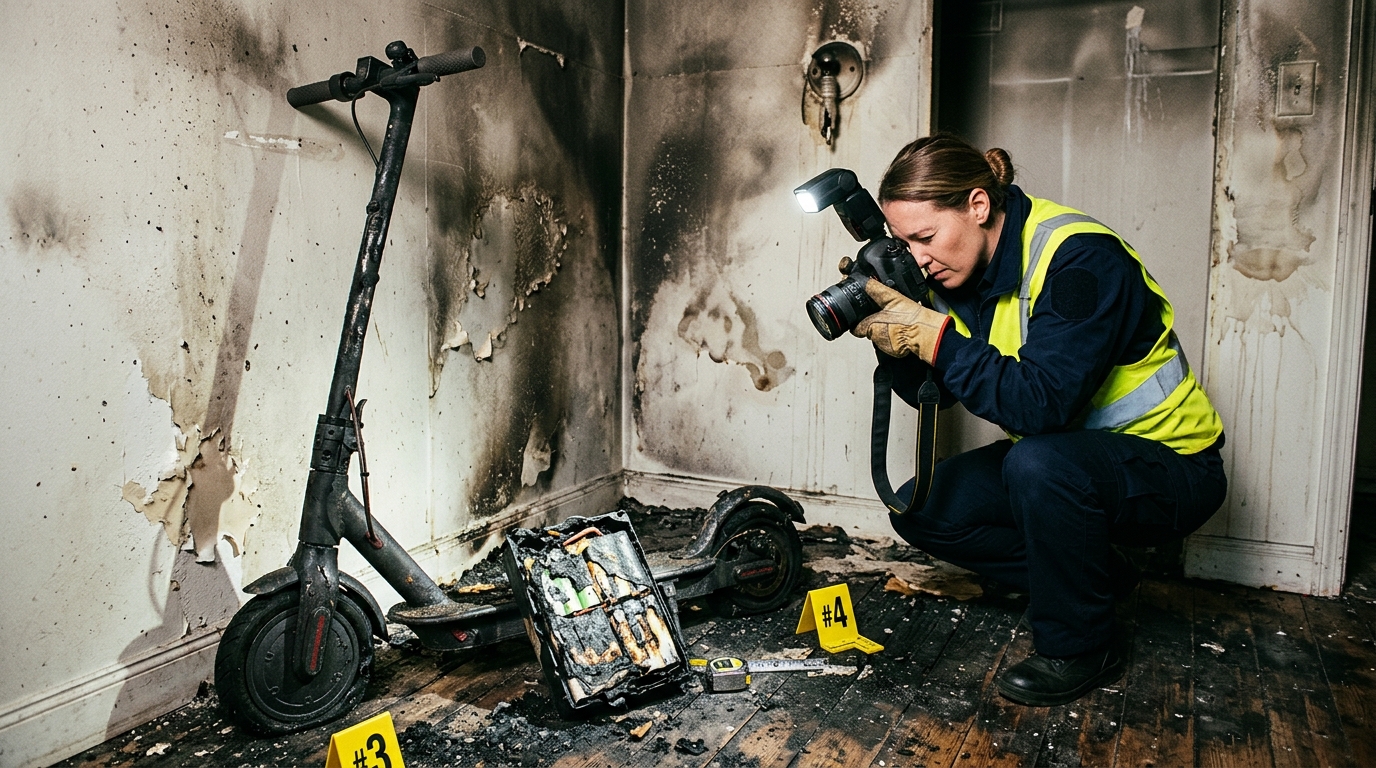
Evidence is the center of e-bike battery fire claims. The device should be preserved if it is safe for investigators to do so. Victims should not throw away the battery, charger, packaging, receipts, manuals, app records, repair invoices, or photos of the scene. A damaged battery may be the most important evidence in the case.
Useful evidence may include purchase records, product model numbers, serial numbers, warranty claims, recall notices, seller messages, repair history, charging location, security footage, fire department reports, medical records, insurance communications, and witness statements. For online purchases, screenshots of the listing, seller name, safety claims, and reviews may help.
Steps Victims Should Take After a Battery Fire
First, get medical care. Burns and smoke inhalation can worsen after the incident, even when the injury seems manageable at first. Second, report the fire to local authorities and request copies of the fire report. Third, take photos and videos of the device, charger, room, outlet, smoke damage, burns, escape route, and damaged personal property. Fourth, keep the product in a secure location if authorities allow it. Do not try to test it again.
Victims should also check for recall or safety warning information from official sources. The CPSC e-bike fire hazard warning is an example of the type of official safety information that may matter after an incident. If the product appears in a warning, recall, or safety notice, that fact can become important evidence.
Do Not Let the Evidence Disappear
One of the biggest mistakes is cleaning everything too quickly. Early cleanup can destroy burn patterns, outlet evidence, battery remains, packaging, and witness details. Before repairs begin, take detailed photos and ask whether the insurance company, fire investigator, or attorney needs to inspect the scene. If several companies may be responsible, a preservation letter may be needed to protect records.
Damages in these cases may include emergency care, hospital bills, burn treatment, skin grafts, respiratory treatment, counseling, lost income, reduced earning ability, scarring, pain, emotional distress, property damage, relocation costs, and loss of personal items. Severe burns can change a person’s daily life long after the fire is out. Documentation should cover both immediate injuries and long-term recovery.
E-bike battery fire claims are likely to keep growing as more people depend on battery-powered mobility. The safest legal approach is to treat each incident as a technical injury case from the beginning. Preserve the product, document the scene, save purchase records, review official safety warnings, and get medical care. A strong claim is built with facts, not assumptions.
Anyone injured by an e-bike, scooter, hoverboard, or lithium-ion battery fire should speak with a qualified attorney about local deadlines, evidence preservation, insurance coverage, and possible claims.