Lithium-ion battery fire injury claims are becoming one of the most important product-related topics in modern personal injury law. As more people rely on e-bikes, e-scooters, power tools, backup batteries, and other rechargeable devices, more consumers are asking what happens when a battery overheats, ignites, or explodes. A single battery failure can trigger severe burns, smoke inhalation, property loss, and long-term emotional trauma. In many cases, the event does not feel like a simple accident. It feels sudden, violent, and preventable.
For injured victims, the legal question is not just what burned. The real question is why it happened and who should be held responsible. Some cases involve defective battery cells. Others involve unsafe chargers, poor warnings, counterfeit replacement parts, bad maintenance, or dangerous charging conditions inside homes, garages, offices, or apartment buildings. That is why these cases often sit at the intersection of personal injury law, product liability, premises liability, and insurance disputes.
If your readers are new to this area, it helps to start with the bigger picture of personal injury rights and responsibilities. From there, battery fire claims make much more sense because the same basic principles still apply: duty, breach, causation, damages, and proof. The difference is that battery fire claims often involve more technical evidence and more potential defendants than a standard injury case.
Why Lithium-Ion Battery Fire Injury Claims Are Growing Fast
Battery-powered mobility products are now everywhere. People store them in apartments, charge them overnight, bring them into elevators, leave them in garages, and rely on them for daily transportation. That increased use means more opportunities for something to go wrong. When it does, the consequences can be catastrophic because lithium-ion fires can spread quickly and may release dangerous heat and smoke.
Why these cases are different from ordinary injury claims
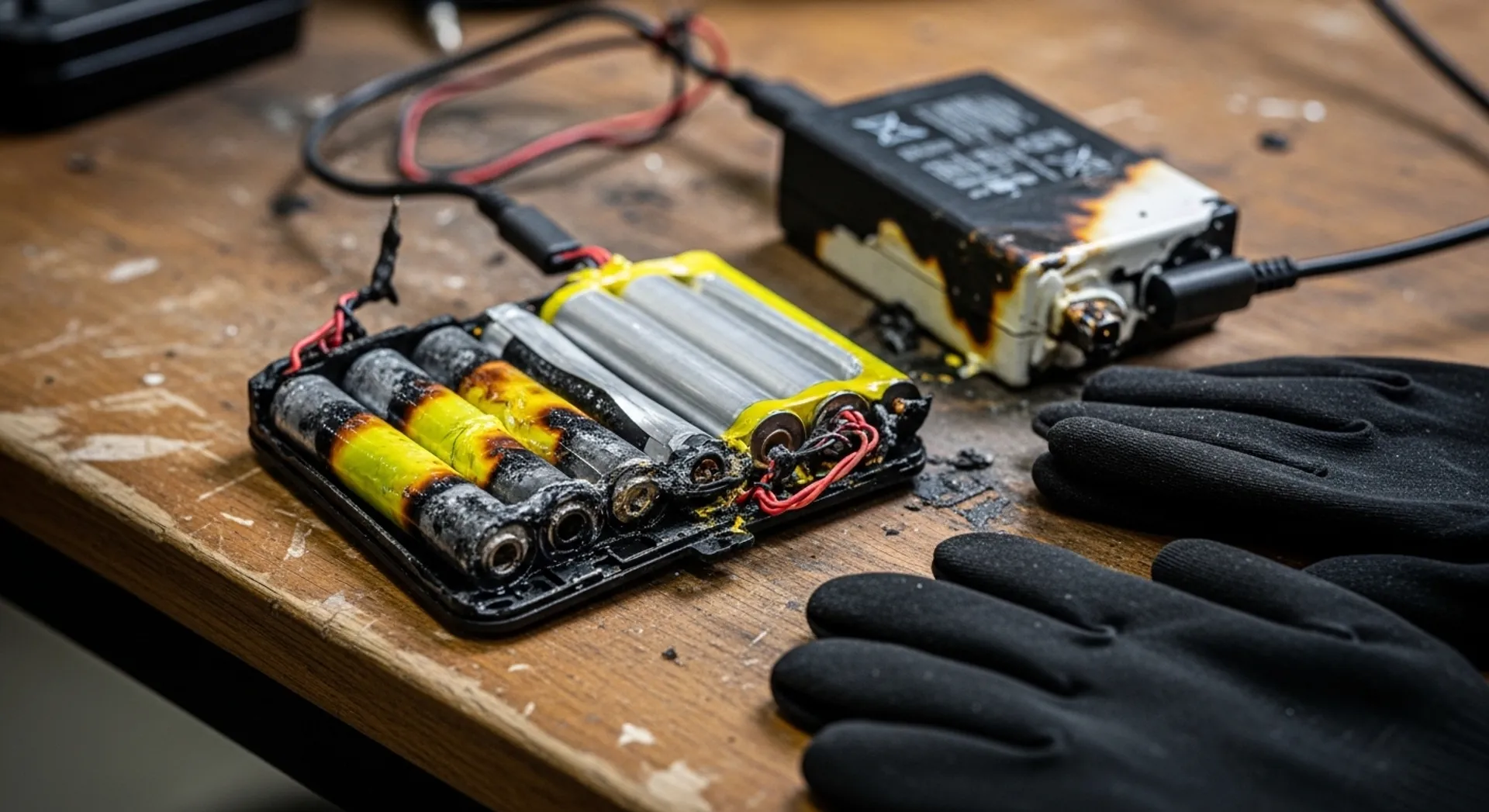
Not every personal injury case requires a technical investigation. Battery fire claims usually do. The product itself matters. The charger matters. The replacement parts matter. The charging location matters. The sales history matters. Sometimes even the online marketplace listing matters. A victim may believe the fire started “out of nowhere,” but the claim often turns on whether a defect, unsafe design, or inadequate warning made the event foreseeable.
Product defects can create multiple legal theories
A battery injury claim may be based on defective design, defective manufacturing, or failure to warn. A design defect argument may focus on how the battery system handled heat, impact, or charging stress. A manufacturing defect argument may focus on a flawed cell, poor assembly, contamination, or weak quality control. A failure-to-warn claim may focus on whether the seller or manufacturer gave clear instructions about storage, charging, replacement parts, ventilation, and disposal.
That matters because different facts support different claims. In one case, the main issue may be a poorly built charger. In another, the battery may have been stable until an incompatible aftermarket part was introduced. In another, the device may have been sold without meaningful warnings even though the risk was serious.
More than one defendant may be involved
Victims often assume they can only pursue the product manufacturer. That is not always true. Depending on the facts, liability may extend to a distributor, retailer, online marketplace, repair shop, maintenance company, landlord, property manager, or fleet operator. If a dangerous charging setup in a building contributed to the fire, premises-related issues may also matter. If a repair technician used the wrong replacement battery or charger, service negligence may become part of the claim.
This is one reason battery fire cases can become more valuable and more complex than they first appear. Several parties may point fingers at one another, which makes early evidence preservation extremely important.
What injuries and losses usually appear in these cases
The visible injury is often only part of the damage. Burns may require emergency treatment, wound care, skin grafts, rehabilitation, and scar management. Smoke inhalation may lead to respiratory symptoms, follow-up treatment, and ongoing discomfort. Some victims suffer fractures or soft tissue injuries while escaping the fire. Others lose personal belongings, electronics, clothing, furniture, or an entire living space.
These losses can support compensation for medical bills, lost income, future care, pain and suffering, emotional distress, and property damage. Readers who want to understand the compensation side can naturally move into your guide on how settlements work in personal injury cases, because many battery fire claims eventually turn into high-stakes settlement negotiations.
How to Build a Strong Lithium-Ion Battery Fire Injury Claim

Strong battery fire cases are built early. Delay can destroy evidence, confuse the fire origin analysis, and make it harder to trace the product chain. Victims who act quickly usually place themselves in a far better position than victims who throw the product away, rely only on memory, or wait until an insurer has already shaped the story.
What evidence matters most after a battery explosion or fire
The most valuable evidence is often the physical product itself. The burned battery, charger, device housing, and any replacement parts may tell investigators how the failure happened. Beyond that, photos, videos, receipts, order confirmations, packaging, product manuals, serial numbers, and witness accounts can all be crucial. Fire department reports and medical records are also central pieces of the claim.
Do not throw away the battery or charger
One of the biggest mistakes victims make is disposing of the product too quickly. That is understandable because the item looks dangerous, dirty, and useless. Legally, though, it may be the single most important piece of evidence in the entire case. Once it is gone, proving defect, heat progression, or component failure can become much harder.
If the item can be preserved safely, it usually should be. The same goes for the charger, extension cords, power strips, replacement batteries, and packaging. A product expert or fire investigator may later need those items to determine exactly what failed.
Deadlines and case strategy still matter
Victims also need to remember that battery fire cases are still injury cases, which means legal deadlines matter. The statute of limitations varies by state, and missing it can destroy an otherwise strong claim. That makes your internal article on statute of limitations in personal injury cases a smart internal link in this topic.
In addition, many cases become stronger when victims speak with counsel before giving detailed recorded statements to insurers or product-related investigators. Once a case is framed the wrong way, it can be harder to correct later. Readers who want the larger procedural picture can also move to filing a personal injury lawsuit step by step.
From a content strategy standpoint, this topic works because it speaks to real consumer fear, matches a current injury trend, and gives your site room to build topical authority in product-related injuries. For an authoritative outside source, you can also reference the Consumer Product Safety Commission’s e-scooter and e-bike safety information, which helps reinforce the public-safety side of the discussion.
Bottom line: lithium-ion battery fire injury claims are not niche anymore. They are practical, modern, and highly relevant. As battery-powered products become part of everyday life, more victims will need clear guidance on how these claims work, what evidence matters, and how to protect their right to compensation after a preventable fire.