
Jury misconduct in personal injury cases can affect the fairness of a trial, even after a jury has reached a verdict. When jurors decide compensation, they are expected to evaluate the evidence and follow the judge’s instructions. Personal opinions about a defendant’s wealth, insurance coverage, or social circumstances should not replace the legal standards governing damages.
On October 9, 2026, the California Court of Appeal certified its decision in Martinez v. Contreras for publication. The case involved a car accident lawsuit in which jurors discussed whether the defendant could afford a substantial damages award and why the injured plaintiff had not sued an insurance company.
The appellate court affirmed the trial judge’s decision to grant a new trial because the improper discussions created a presumption of prejudice that the defendant failed to rebut.
For injury victims, the decision explains why jury deliberations must remain connected to admissible evidence. It also shows that receiving a verdict does not always mean the litigation is finished.
What Happened in Martinez v. Contreras in 2026?
The underlying dispute began with a motor vehicle accident on March 19, 2021, involving Aleshia Martinez and Antonio Contreras.
Martinez later filed a lawsuit seeking damages for her injuries. Before trial, Contreras stipulated to negligence, and the trial court granted a directed verdict concerning causation.
The remaining trial focused on damages. Jurors were required to consider the evidence presented about Martinez’s losses and determine an appropriate award.
On October 31, 2024, the jury awarded Martinez a total of $55,000. The award included $20,000 for past economic losses, no future economic losses, $20,000 for past noneconomic losses, and $15,000 for future noneconomic losses.
However, the verdict became the subject of a post-trial challenge. Martinez sought a new trial and submitted declarations from two jurors describing discussions that had occurred during deliberations.
Why the original $55,000 verdict was challenged
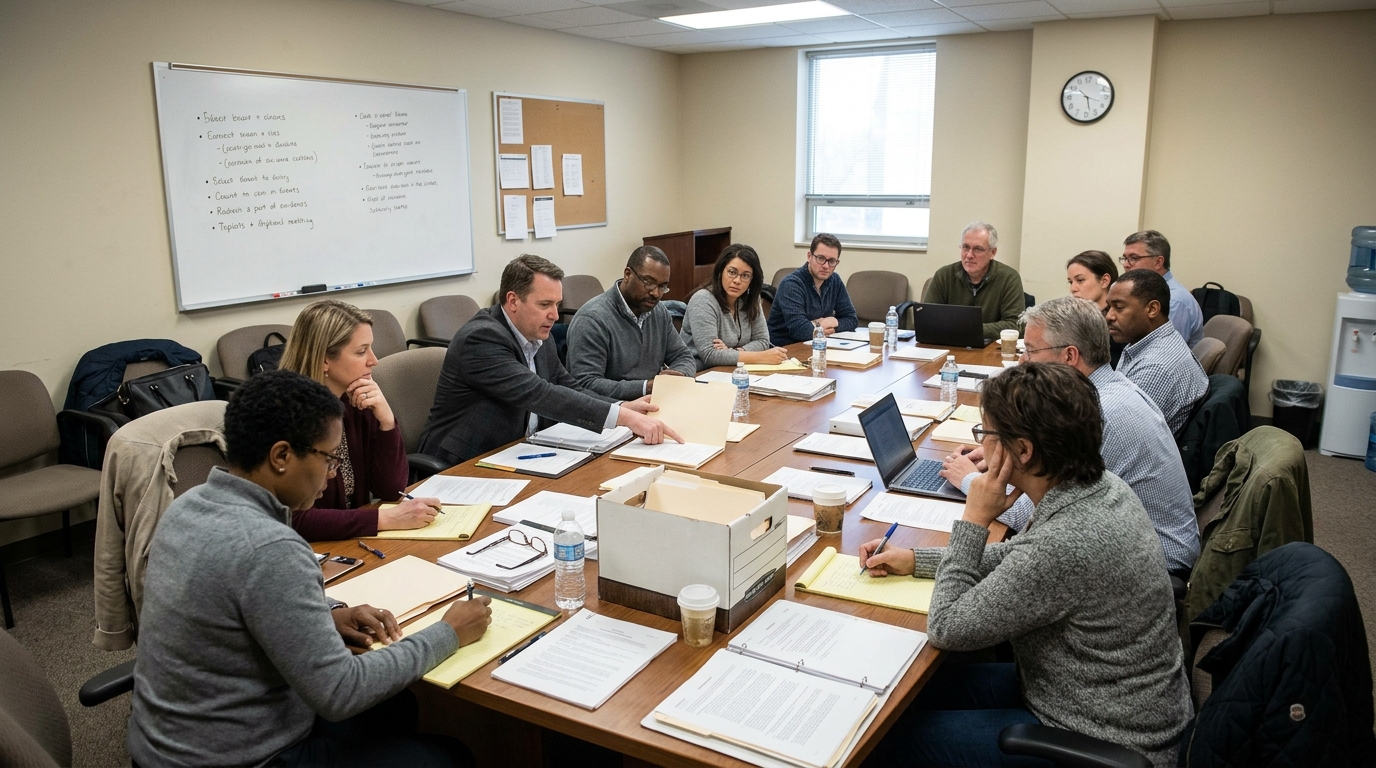
According to the juror declarations, some jurors openly discussed Contreras’s financial circumstances and expressed concern about his ability to pay a large judgment.
They also questioned why Martinez had sued an individual rather than an insurance company or a large corporation.
Other discussions compared her injuries with those experienced by military service members. The declarations indicated that these considerations influenced the conversations surrounding the damages award.
The trial judge found that the discussions involved matters outside the evidence and violated jury instructions.
On May 2, 2025, the court granted Martinez’s motion for a new trial based on jury misconduct. Contreras appealed that order.
Why a defendant’s financial situation was an improper consideration
In an ordinary negligence action, damages are based on legally relevant losses and the evidence supporting them. A jury should not reduce compensation merely because it feels sympathy for a defendant who may struggle to pay.
Similarly, jurors should not increase an award simply because they believe a business or wealthy individual can afford more.
Applicable law may permit financial-condition evidence in certain specialized contexts, such as some punitive damages proceedings. However, those circumstances differ from the compensatory damages issues in Martinez.
In this case, discussions about Contreras’s finances introduced improper considerations into the deliberations.
Our guide to car accident claims and compensation provides background on the types of losses that may be considered after a collision.
Why discussing insurance could affect a damages decision
The juror declarations also described questions about why Martinez was not suing an insurance company instead of Contreras.
In personal injury litigation, insurance coverage and the identity of the named defendant are separate legal issues. An insurer may have obligations under a liability policy without becoming the defendant in the underlying negligence lawsuit.
Whether insurance evidence is admissible depends on the circumstances and applicable rules. Jurors generally must follow the judge’s instructions rather than speculate about insurance arrangements.
The appellate decision illustrates how assumptions about insurance can distract from the actual evidence of injury and damages.
Why the Court of Appeal upheld the new-trial order
The appellate court examined whether the trial judge had properly applied California’s rules governing jury misconduct and new-trial motions.
California Code of Civil Procedure Section 657 identifies jury misconduct as a possible ground for granting a new trial.
The court considered whether the juror declarations were admissible, whether they established misconduct, and whether the misconduct was prejudicial.
It concluded that the trial court had adequately explained its decision and had not abused its discretion.
The appellate court therefore affirmed the order granting a new trial. Importantly, this was not an appellate award of additional compensation to Martinez.
What juror declarations can reveal about improper deliberations
California Evidence Code Section 1150 permits certain evidence concerning overt statements, conduct, or events during jury deliberations when a verdict is challenged.
However, the law generally prevents courts from examining jurors’ private mental processes or how particular statements subjectively influenced an individual juror’s decision.
That distinction matters because courts must protect the confidentiality of legitimate deliberations while still addressing objectively identifiable misconduct.
In Martinez, the declarations described statements that jurors had openly made. The appellate court concluded that the relevant evidence could be considered.
For the full judicial analysis, read the published Martinez v. Contreras appellate opinion.
What Jury Misconduct Means for Personal Injury Lawsuits
The Martinez decision illustrates an important distinction between disagreement with a jury’s award and legally recognized misconduct.
An injured plaintiff may believe the verdict is too low, while a defendant may consider it excessive. Dissatisfaction alone does not necessarily justify another trial.
Courts examine whether a recognized legal ground exists and whether the moving party has satisfied the applicable procedural requirements.
Jury misconduct may include consideration of outside information, improper communications, or deliberations based on prohibited factors.
Each situation requires a fact-specific analysis. Not every irregular statement automatically invalidates a verdict.
How courts evaluate claims of jury misconduct
When deciding a new-trial motion based on alleged juror misconduct, courts generally examine the admissibility of the evidence, whether the conduct actually constituted misconduct, and whether it was prejudicial.
The party challenging the verdict must follow applicable procedural rules and present supporting evidence.
Evidence may include properly prepared juror declarations, but the law places restrictions on what jurors can reveal about their deliberations.
In Martinez, the reported discussions concerned factors that should not have influenced compensatory damages. The trial court found that the conversations violated its instructions.
The appellate court also concluded that the resulting presumption of prejudice had not been rebutted.
Why a new trial does not guarantee a larger award

Granting a new trial allows the disputed issues to be reconsidered through further proceedings. It does not establish the amount the injured person should ultimately receive.
A later jury may reach a different verdict, but the result depends on admissible evidence, applicable law, and the matters submitted for decision.
Nor does a new-trial order necessarily mean that every aspect of the previous litigation must begin again.
The scope of further proceedings depends on the court’s order and governing rules.
Our step-by-step guide to filing a personal injury lawsuit explains the broader stages of litigation, from evidence gathering through trial.
Legal deadlines are another important consideration. Motions for new trial are governed by strict procedural requirements that differ from the initial statute of limitations for filing a personal injury case.
Someone considering a post-verdict challenge should therefore obtain jurisdiction-specific legal guidance promptly.
Martinez decision
The Martinez decision also reinforces the importance of presenting accurate evidence about economic and noneconomic damages.
Economic losses may include medical expenses, lost income, and other measurable financial consequences. Noneconomic losses may include compensable pain, suffering, and loss of enjoyment of life.
Depending on the case, supporting evidence can include medical records, employment documentation, expert testimony, and descriptions of daily limitations.
Jurors must consider these materials according to the applicable instructions rather than substituting unrelated assumptions about a party’s personal circumstances.
In some cases, parties resolve disputes through settlement before reaching trial. A settlement typically involves negotiated terms rather than a jury verdict.
Our personal injury settlement guide explains the negotiation and release process.
A settled claim generally presents different options and limitations than a jury verdict. Once a valid settlement and release become final, reopening the dispute may be difficult.
For cases that do proceed to trial, both parties benefit when jurors understand the rules governing evidence and damages.
Attorneys may address improper arguments through objections and request appropriate instructions. Courts also have procedures for responding to potential juror misconduct that arises during proceedings.
After a verdict, the available remedies depend on the nature of the alleged problem and the applicable procedural requirements.
Not all allegations of misconduct are substantiated. Courts must evaluate reliable evidence instead of relying on speculation about why jurors reached a particular number.
October 2026 Martinez
The October 2026 Martinez ruling should also not be interpreted as establishing that an award of $55,000 is inherently inadequate for a motor vehicle injury case.
The appellate court affirmed a new-trial order based on prejudicial misconduct. It did not establish a universal value for similar injuries.
Every personal injury claim involves distinct medical findings, evidence, losses, liability issues, and legal circumstances.
Although Martinez arose in California, concerns about juror impartiality exist in other jurisdictions. However, rules concerning juror testimony, new-trial motions, and prejudice differ between states and federal courts.
Readers should avoid assuming that California’s specific procedures apply nationwide.
Jury misconduct in personal injury cases can undermine confidence in a verdict when jurors consider information or assumptions they were instructed to disregard.
The 2026 Martinez decision demonstrates why proper evidence, fair deliberations, and careful judicial review matter in civil injury litigation.
For injured people and defendants alike, the central lesson is that compensation should be determined through the evidence and applicable law—not sympathy, speculation, or assumptions about financial resources.
Legal disclaimer: This article is for general educational purposes and does not constitute legal advice. Trial procedures, filing deadlines, and available remedies depend on the applicable jurisdiction and individual circumstances.