Kratom injury claims in 2026 are getting more attention as consumers, regulators, doctors, and injury lawyers look closer at supplement safety. Many people buy kratom because they see it marketed as natural, plant-based, or wellness-related. However, natural does not always mean safe. A product can come from a plant and still create serious health risks.
Kratom products may appear as capsules, powders, drink shots, gummies, tablets, teas, extracts, and convenience-store products. Some products may also contain or promote 7-hydroxymitragynine, often called 7-OH. This compound has raised concern because regulators describe concentrated 7-OH products as opioid-like and potentially dangerous.
For injury victims, the legal issue is not only whether the product caused harm. The bigger question is whether a manufacturer, distributor, marketer, retailer, or seller failed to warn consumers. A claim may also ask whether the product was mislabeled, contaminated, too concentrated, or promoted with misleading claims.
Why Kratom Injury Claims in 2026 Are Getting More Attention
Kratom has been debated for years. Still, the safety conversation has become more serious. The FDA warns consumers not to use kratom because of risks such as liver toxicity, seizures, and substance use disorder. The agency also states that rare deaths have been associated with kratom use, although many involved other substances too.
The FDA has also focused on concentrated 7-OH products. These products may be sold online, in vape shops, convenience stores, gas stations, and corner stores. Some may appear in flavored or candy-like forms. As a result, regulators have raised concerns about public health, youth appeal, and opioid-like effects.
For official background, readers can review the FDA’s page on FDA and kratom. The FDA explains its position on kratom safety, adverse events, substance use disorder, and the lack of FDA-approved kratom drug products.
Consumers may not understand what they are buying
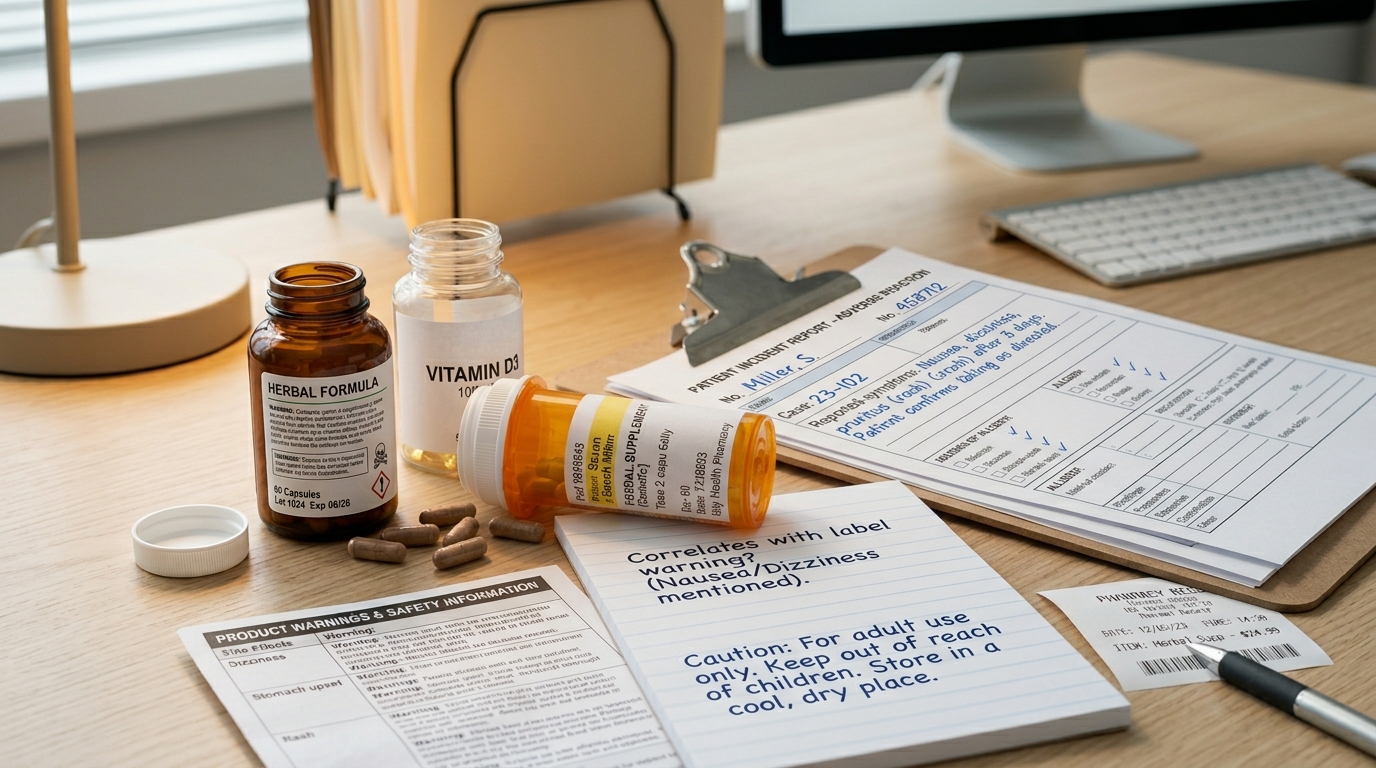
Many kratom injury claims begin with confusion. A consumer may think the product is only an herbal supplement. Another person may believe it works like a mild energy drink or wellness product. Someone else may try it for pain, stress, sleep, mood, or withdrawal symptoms because marketing made the product sound safe.
That gap between marketing and real risk can matter. If a label fails to explain serious side effects, the consumer may not understand the danger. If a website makes medical-sounding claims, that can raise more questions. Also, if a product contains concentrated 7-OH but does not explain that clearly, the claim may become more serious.
This issue connects with Injury Law Encyclopedia’s article on PFAS injury claims in 2026. Both topics involve exposure, warnings, records, and the challenge of proving that a product or substance contributed to harm.
Marketing claims can create legal problems
Marketing matters because consumers rely on it. Words like natural, clean, gentle, plant-based, wellness, or safe can shape how a buyer views risk. If a product also carries serious health concerns, that contrast may become important evidence.
A claim may review labels, websites, social media ads, store displays, influencer posts, product pages, and warning language. If the marketing downplayed risk or suggested benefits without proper support, those materials may help show why the consumer trusted the product.
7-OH products may carry separate legal risk
7-OH products deserve special attention. They may not be the same as ordinary kratom leaf products. The FDA has focused on concentrated 7-OH because of opioid-like risks and growing availability in retail and online spaces.
The product form can matter. A gummy, tablet, drink shot, or flavored product may raise questions about dosage, concentration, youth appeal, labeling, and warnings. Therefore, victims should save the exact packaging, receipt, product page, and remaining product if possible.
Health effects and adverse events need careful documentation
Kratom-related claims may involve several alleged harms. Some people may report liver injury, seizures, dependency, withdrawal symptoms, overdose-like symptoms, severe nausea, heart-related symptoms, or harmful interactions with other substances. Others may claim that contaminated or mislabeled products caused illness.
Medical proof is critical. A person who believes kratom or 7-OH caused harm should seek medical care quickly. Doctors need to know what product was used, how much was taken, when symptoms began, and whether any other substances were involved.
Clear records help the claim. Save emergency records, lab results, toxicology reports, diagnosis notes, prescriptions, follow-up visits, specialist referrals, and discharge instructions. Delayed or incomplete records can give the defense more room to dispute the connection.
Medical causation can be disputed
Causation may become the hardest part of a kratom injury claim. A company may argue that another medication, alcohol, illegal substance, health condition, dosage choice, or unrelated illness caused the injury. Because of that, a clear timeline matters.
Useful records may show when the product was used, when symptoms began, what doctors found, and whether other causes were considered. The stronger the timeline, the easier it becomes to connect the product, symptoms, treatment, and legal claim.
Evidence That Can Strengthen a Kratom or 7-OH Injury Claim
Strong kratom injury claims in 2026 need more than suspicion. They need evidence that connects the product, the warning, the use, the injury, and the damages. Product liability cases often depend on details that victims may accidentally throw away.
The first step is preserving the product. Keep the bottle, pouch, box, receipt, ingredient list, lot number, barcode, dosage instructions, warning label, and any leftover product. If the product came from a store, write down the store name, location, and purchase date.
Photos can also help. Take clear pictures of the front label, back label, supplement facts panel, warning section, flavor description, claims, expiration date, and lot number. If the product page changes later, saved screenshots may become important.
Labels, receipts, and medical records can show the full timeline

Failure-to-warn claims often focus on what the consumer saw before using the product. Did the label clearly warn about liver risks, seizures, dependency, withdrawal, drug interactions, or concentrated 7-OH? Did the product make medical claims? The packaging look like a supplement, drink, candy, or wellness product?
A package can answer those questions better than memory. It may also identify the manufacturer, distributor, batch, and retailer. If other people report harm from the same lot or product line, that information may become useful.
This evidence-based approach connects with Injury Law Encyclopedia’s guide on filing a personal injury lawsuit. Claims often become stronger when victims collect records early instead of waiting until the dispute becomes harder.
Online ads and screenshots may matter
Many supplement purchases start online. A person may see a product page, ad, influencer video, review, or social media post before buying. Those materials may explain why the consumer believed the product was safe or appropriate.
Save screenshots with dates when possible. Capture the product description, claimed benefits, warning language, dosage instructions, customer reviews, checkout page, and subscription terms. If the company later edits the page, the older version may still matter.
Digital evidence should also be handled carefully. Injury Law Encyclopedia’s article on wearable device evidence in personal injury claims explains how modern injury cases may use device records, app data, and digital timelines. Kratom claims may also involve texts, purchase emails, online receipts, symptom tracking apps, or health records.
Victims should also track financial losses and daily impact. Medical bills, missed work, transportation costs, therapy needs, pain notes, family support needs, and long-term limitations can help explain damages. A claim should not only show that harm happened. It should also show how the harm changed the person’s life.
Some kratom claims may overlap with medical malpractice issues. For example, a patient may argue that a healthcare provider missed signs of liver injury, failed to ask about supplement use, or ignored serious symptoms. Those situations need a different analysis. Injury Law Encyclopedia’s article on AI medical malpractice claims in 2026 can also support broader discussions about medical evidence, diagnosis, and healthcare-related injury claims.
Insurance companies and defense teams may challenge kratom injury claims aggressively. They may argue that the product was misused, the warning was enough, another substance caused the injury, or the medical condition had another explanation. Therefore, victims should expect those arguments and organize evidence early.
Kratom injury claims in 2026 require careful documentation, medical proof, and product evidence. The label, marketing, ingredients, dosage, warnings, seller, and medical timeline may all matter. When concentrated 7-OH products are involved, the claim may need even closer review because regulators have raised special concerns about these products.
The bottom line is simple: do not throw away the product, packaging, receipt, screenshots, or medical records. Get medical care, explain exactly what was used, preserve evidence, and avoid guessing about causation before the facts are reviewed. A strong claim depends on proof, not panic.
General information only. This article is for educational purposes and is not legal advice or medical advice. Product liability law, evidence rules, injury deadlines, and supplement regulations vary by location and facts. Anyone with symptoms after using kratom or 7-OH products should contact a qualified healthcare provider. Anyone considering a claim should speak with a licensed attorney.