ADAS accident claims are becoming a major issue in car accident litigation because more vehicles now include driver-assist features such as lane keeping, adaptive cruise control, automatic emergency braking, blind-spot monitoring, and partial hands-on driving assistance. These systems are marketed as safety tools, but when a crash happens, they can also complicate the legal analysis. Drivers, insurers, manufacturers, and attorneys may all disagree about what the technology was doing in the seconds before impact.
That makes these cases different from a standard rear-end collision or intersection crash. In a traditional case, the main questions usually focus on speed, distraction, right of way, impairment, or road conditions. In an ADAS case, those questions still matter, but so do sensor data, software behavior, warnings, vehicle logs, camera footage, system limitations, and the way the driver interacted with the feature. The case may still be a negligence claim, but the proof can look much more technical.
This topic fits naturally with your existing article on car accidents: legal procedures and compensation. That page gives readers the foundation. This post extends it into a more modern question: what happens when a driver says the vehicle’s driver-assist system failed, disengaged, misread traffic conditions, or gave a false sense of safety?
Why ADAS Accident Claims Are Becoming More Important

The average driver now encounters vehicle technology that would have sounded futuristic just a few years ago. Many cars can help maintain lane position, adjust speed based on traffic, warn about obstacles, and intervene in braking. These features can reduce harm in some situations, but they can also create new arguments after a collision. A driver may claim the system did not respond. A manufacturer may say the driver remained fully responsible. An insurer may use the confusion to challenge liability or minimize payment.
Driver-assist technology does not erase human responsibility
One of the biggest misconceptions in these cases is that automation automatically transfers fault away from the driver. In many vehicles, that is not true. Most ADAS features are assistive, not fully autonomous. The driver is still expected to monitor the road, stay engaged, and intervene when necessary. That means a plaintiff cannot assume the presence of technology automatically proves a product defect, and a defense cannot assume the driver alone is always to blame.
These crashes often involve mixed fault arguments
An ADAS crash may involve several overlapping theories of responsibility. Another driver may have behaved negligently. The injured person’s own driver may have relied too heavily on the technology. A manufacturer may have designed the system poorly or failed to give adequate warnings about its limits. A repair or calibration issue may have prevented sensors from working properly. Even road markings, weather, glare, or damaged camera housings may become part of the factual story.
That is why these cases often require a broader investigation than ordinary auto claims. The plaintiff has to figure out whether the system was engaged, what it was designed to do, whether it behaved as expected, and whether a human driver had enough warning or opportunity to prevent the crash.
Insurance carriers may frame the technology to their advantage
Insurance companies do not always evaluate technology-neutral facts. In some cases, they may argue the technology proves the driver should have avoided the crash. In others, they may argue the technology was only a convenience feature and therefore irrelevant. The framing shifts depending on what helps the defense. That is one reason these claims require careful early documentation and a disciplined theory of liability.
For that reason, readers interested in how compensation negotiations work should also be pointed to how settlements work in personal injury cases. ADAS claims can settle, but only after the evidence story becomes clear enough to pressure the right defendant.
What makes ADAS cases harder to prove
The key challenge is that technology can create more data without creating more clarity. Vehicle logs may exist, but they are not always easy for ordinary drivers to access or interpret. The data may show warnings, engagement, steering input, braking input, or fault codes, but that does not automatically answer the legal question of negligence. It only adds another layer that must be explained in context.
There is also a timing problem. A damaged vehicle may be repaired, totaled, salvaged, or downloaded too late. Important electronic evidence may be lost. A driver’s memory may also be shaped by what they believed the system was supposed to do, not what it actually did. That gap between expectation and engineering is where a lot of litigation begins.
How to Build a Strong ADAS Accident Claim After a Crash
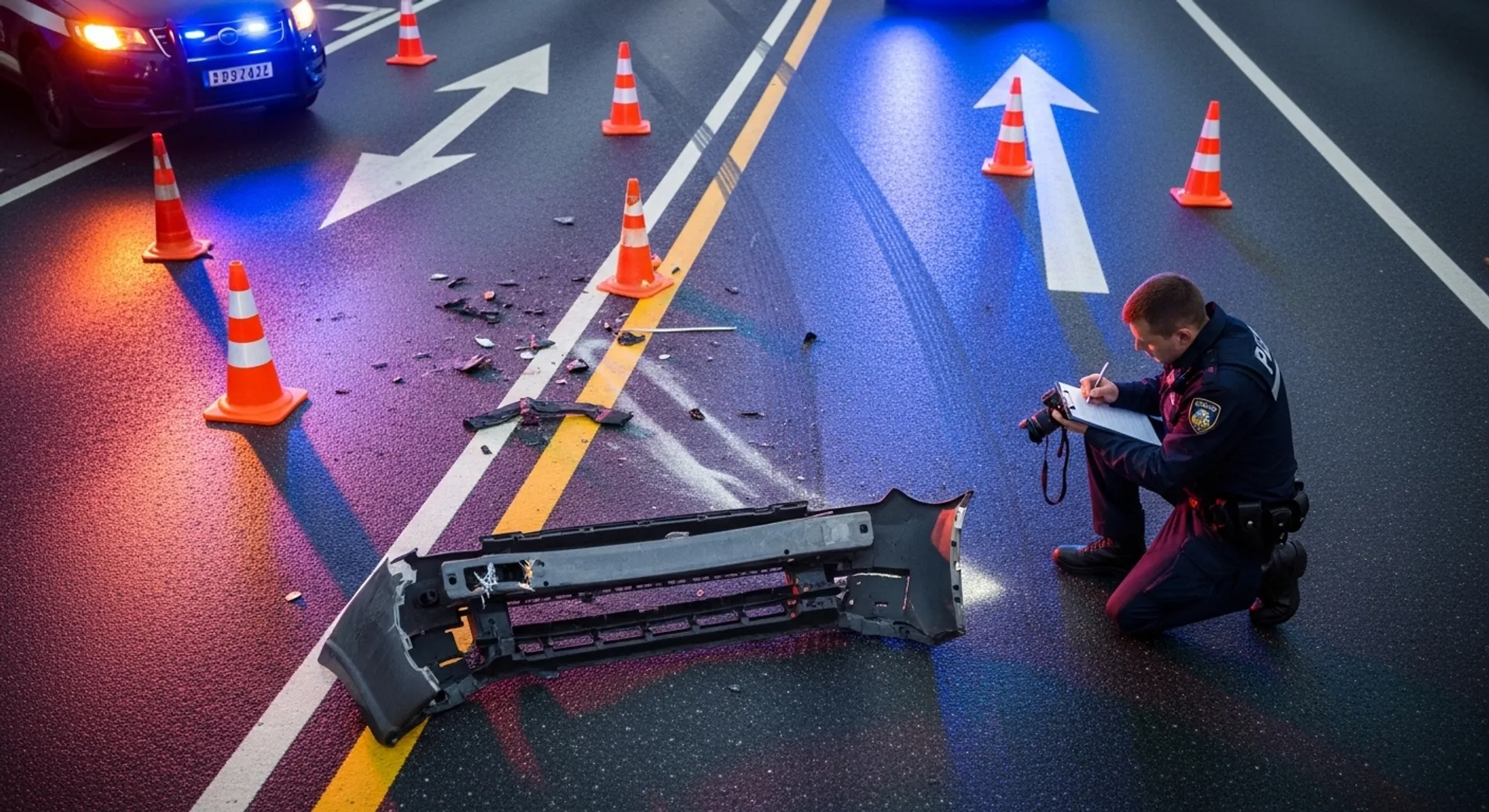
Strong ADAS accident claims are built the same way strong injury cases are always built: preserve evidence, identify the legal theory early, and connect the proof to damages. The difference is that technology-related crashes usually require more discipline because there may be a temptation to make assumptions too early. A plaintiff should not rush into blaming software if ordinary negligence explains the event. At the same time, a defense should not be allowed to hide behind vague claims that the driver “misused” the technology without supporting facts.
What evidence matters most in a driver-assist crash case
Every case depends on its facts, but several categories of evidence regularly matter in ADAS claims. These include police reports, scene photos, witness accounts, event data recorder information, vehicle telematics, system status records, repair history, calibration history, software update history, dashcam footage, and medical records. In some cases, roadway conditions and lane visibility are just as important as the vehicle itself.
Preserve the vehicle before key evidence disappears
If the vehicle is heavily damaged, the owner may feel pressure to repair it immediately or allow an insurer to dispose of it. That can be a mistake. The condition of sensors, cameras, bumpers, control modules, warning lights, and onboard systems may all matter later. Preserving the vehicle for inspection can make a major difference, especially where there is a serious injury, disputed liability, or a possible product-related issue.
This is also where attorney involvement can become important. If a case may require a deeper investigation, counsel can help preserve the right materials, communicate with insurers, and avoid losing critical electronic evidence too early. Readers who want the next-step procedural framework can move to filing a personal injury lawsuit: step-by-step guide.
Do not overlook deadlines and ordinary negligence rules
Technology does not suspend ordinary legal deadlines. ADAS claims are still subject to the statute of limitations and other timing rules. They also still depend on proving negligence, causation, and damages unless a true product liability claim is part of the case. That means a plaintiff still has to show how the crash happened, why the defendant is legally responsible, and what losses followed.
That is why your post on statute of limitations in personal injury cases is an excellent internal link here. It keeps the article practical instead of theoretical.
For outside authority, this post should point readers to the NHTSA Standing General Order crash reporting page and NHTSA’s broader automated vehicle safety resources. Those pages help ground the discussion in current transportation safety oversight and show readers that this is not a hypothetical issue.
Bottom line: ADAS accident claims are likely to keep growing because the technology is already on the road, the public often misunderstands what it can do, and crash liability becomes more complicated when software, sensors, and human judgment intersect. For Injury Law Encyclopedia, this is the kind of topic that can bring in modern search demand while still fitting tightly within your existing personal injury content structure.