Lithium-ion battery fire injury claims are becoming more important in 2026 as battery-powered products continue to spread into everyday life. E-bikes, e-scooters, hoverboards, power banks, tools, and other rechargeable devices offer convenience, but they also carry a serious risk when batteries overheat, ignite, or explode. When a fire starts, the injuries can be catastrophic. Victims may suffer burns, smoke inhalation, property loss, traumatic stress, and long-term medical complications.
These cases are no longer rare product incidents that only affect a small group of consumers. Fire departments, regulators, and safety agencies have been paying much closer attention to battery-related fires, especially those linked to micromobility products. For injury victims, this matters because a battery fire can lead to a valid legal claim when a manufacturer, seller, distributor, landlord, maintenance provider, or another party failed to act with reasonable care.
For readers who are new to injury law, this topic fits naturally with the site’s existing guides on personal injury rights and responsibilities, how settlements work in personal injury cases, and filing a personal injury lawsuit.
Why Lithium-Ion Battery Fire Injury Claims Are Trending

These claims are growing because lithium-ion batteries are now used in more products, more homes, and more shared spaces than ever before. At the same time, fire agencies and regulators are warning that battery failures can become violent very quickly. A defective or damaged battery can enter thermal runaway, which is a chain reaction that causes rapid heat release, fire, toxic smoke, and in some cases an explosion.
Many battery incidents are tied to micromobility products such as e-bikes and e-scooters, but the broader legal issue is larger than just transportation devices. A charger problem, counterfeit replacement battery, poor battery management system, damaged cell, or defective product design can all turn an ordinary consumer product into a serious injury event.
This is one reason lithium-ion battery fire injury claims are becoming a more visible part of personal injury and product liability law in 2026.
What Makes These Fires So Dangerous?
Lithium-ion battery fires are not like ordinary small electrical malfunctions. They can spread fast, burn extremely hot, and release dangerous gases. In homes, apartments, and garages, that means victims may have very little time to escape. A person may be injured not only by flames, but also by smoke inhalation, blast force, falling debris, or burns sustained while trying to get out.
Common injuries in these cases include:
- First-, second-, and third-degree burns
- Smoke inhalation injuries
- Lung damage and respiratory distress
- Eye injuries from heat or smoke exposure
- Fractures or soft-tissue injuries during escape
- Permanent scarring and disfigurement
- Psychological trauma after a fire or explosion
Even when a victim survives, the financial and emotional damage can be severe. Hospitalization, skin grafts, rehabilitation, missed work, and long-term pain are all common consequences in serious fire cases.
Who May Be Liable in a Battery Fire Case?
One of the biggest legal questions is who caused the incident. In many cases, more than one party may be responsible. Possible defendants in lithium-ion battery fire injury claims can include:
- The manufacturer of the battery, charger, or device
- A distributor or seller that placed a dangerous product into the market
- An online marketplace if the facts support a product-related claim
- A repair shop or technician who used unsafe replacement parts
- A rental or fleet company that failed to inspect or maintain the product
- A property owner or manager if unsafe charging conditions contributed to the fire
Some cases are traditional negligence claims. Others are product liability claims. The exact legal theory depends on what went wrong. If the battery was defectively designed, a design-defect claim may apply. If a product was sold without proper warnings, a failure-to-warn theory may matter. If a charger or battery pack was poorly assembled, a manufacturing defect claim may be central.
Common Causes Behind Battery Fire Injury Claims
Not every fire happens for the same reason. However, many cases involve one or more of the following patterns:
- Defective battery cells or poor internal quality control
- Improper or incompatible chargers
- Counterfeit replacement batteries or parts
- Overcharging or charging with damaged equipment
- Battery packs exposed to impact, puncture, or water intrusion
- Poor product design that fails to manage heat safely
- Lack of adequate warnings about charging, storage, or disposal
These issues matter because liability often turns on foreseeability. If a company knew or should have known that a battery system created an unreasonable danger, that fact can become very important in litigation or settlement negotiations.
What Evidence Matters Most?
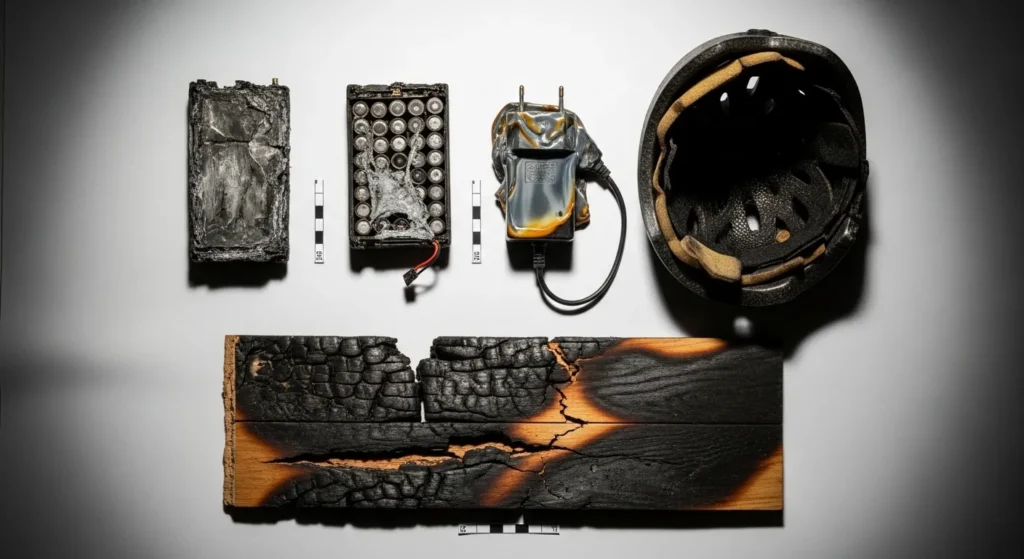
Evidence can decide whether a battery fire case succeeds. Victims should preserve as much as possible, especially before damaged products are removed or discarded. Important evidence may include:
- The burned battery, charger, and device itself
- Photos and videos of the fire scene
- Fire department or incident reports
- Product packaging, manuals, receipts, and serial numbers
- Online listing screenshots showing product descriptions or warnings
- Medical records and burn treatment documentation
- Witness statements from family members, neighbors, or first responders
- Any recall notices or safety alerts involving the product
Victims should avoid throwing away the battery or charger if possible. In many product cases, that physical evidence is critical. Once the item is gone, proving defect, overheating pattern, or failure point becomes much harder.
How Compensation Works in These Cases
Like other personal injury matters, lithium-ion battery fire injury claims can include both economic and non-economic damages. Depending on the severity of the incident, compensation may include:
- Emergency room and hospitalization costs
- Burn treatment, surgery, medication, and skin graft procedures
- Follow-up care, therapy, and future medical expenses
- Lost income and reduced earning capacity
- Pain and suffering
- Emotional distress and trauma-related symptoms
- Scarring, disfigurement, and loss of quality of life
- Property damage for destroyed belongings
In especially serious cases, a victim may also need to evaluate whether the fire caused a broader loss involving an apartment, vehicle, garage, or home. Insurance issues can become complex, and settlement offers may not reflect the full scale of the loss early in the claim process.
If you want a foundation for that part of the case, see How Settlements Work in Personal Injury Cases.
Why These Claims Can Be More Complex Than They Look
Battery fire cases often look simple from the outside. A person charges a device, a fire starts, and someone gets hurt. But legally, these claims can be much more technical than a standard injury case. Engineers, fire investigators, product experts, and recall history may all matter. The defense may argue that the product was altered, misused, repaired with non-approved parts, or charged in an unsafe way. The victim may argue that the danger should have been anticipated and better prevented.
That means timing matters. A delay can make it harder to inspect the product, secure reports, identify the chain of distribution, and determine whether other incidents involved the same battery model.
This is also where deadlines matter. The time limit to file a product-related injury case varies by state, and missing it can destroy an otherwise valid claim. For that reason, it is smart to review Statute of Limitations in Personal Injury Cases as part of any early case evaluation.
What Victims Should Do After a Battery Fire Injury
If you were injured in a battery fire, the first priority is medical care. After that, practical steps can help protect the claim:
- Get treatment immediately and follow all medical advice
- Call emergency services and obtain official reports
- Preserve the battery, charger, and device if safe to do so
- Take detailed photos of the damage and injuries
- Save receipts, order confirmations, and serial numbers
- Check for recalls or safety warnings involving the product
- Document missed work, expenses, and daily limitations
- Speak with an attorney before giving detailed statements in a disputed case
These steps matter because battery injury claims often depend on technical evidence and early documentation.